Before the stamp
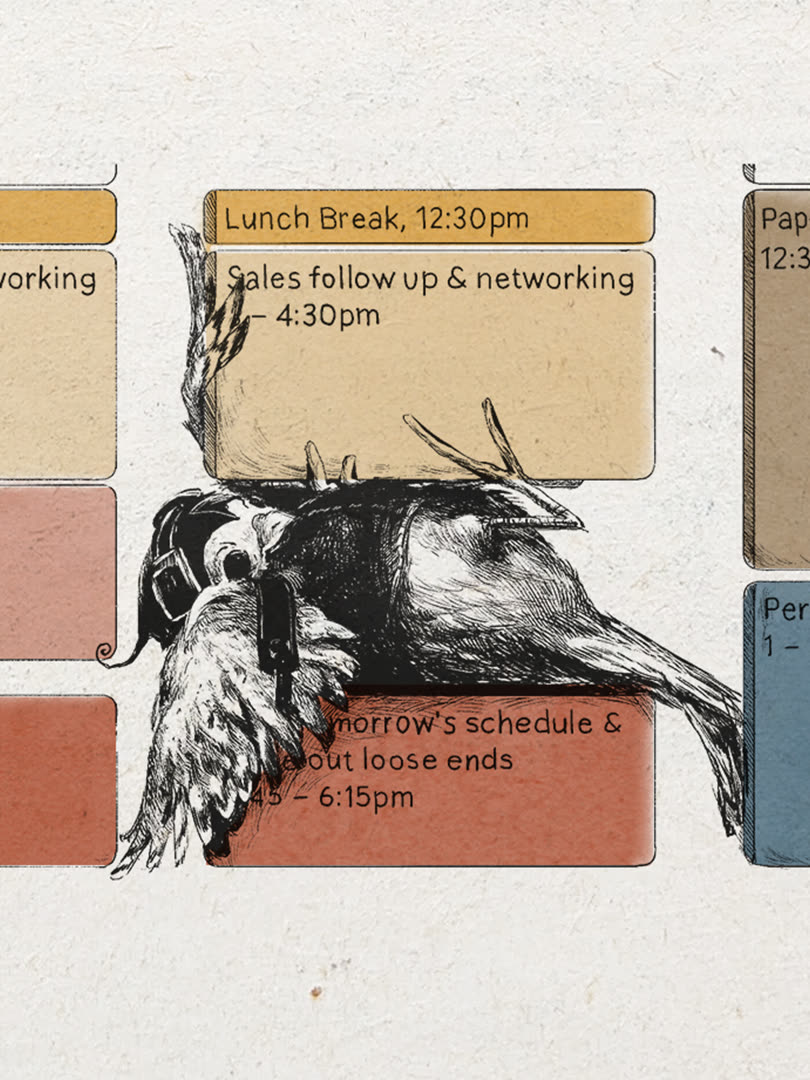
Before 1840, there was no standard way to send a letter. The price depended on how far it travelled and how many sheets it had, and the receiver usually paid. Every letter was priced by hand, so post was slow and expensive, and most people rarely sent letters.
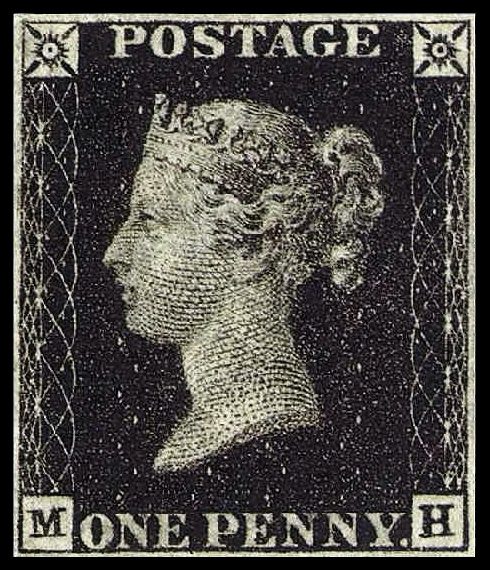
In 1840 Britain introduced the first stamp, the Penny Black. The idea was simple: one flat price, paid up front by the sender, with a small label on the letter as proof. In 1874 countries agreed to accept each other’s stamps, so a letter could travel almost anywhere in the world.
How books travel between countries today
International publishing today has a lot in common with letters before 1840. There is no standard way for a book to move from one market to another.
Take a book that has done well in Japan. To reach English-language readers, it usually passes through a long chain of separate companies. Each has its own contract, its own terms and its own timeline.
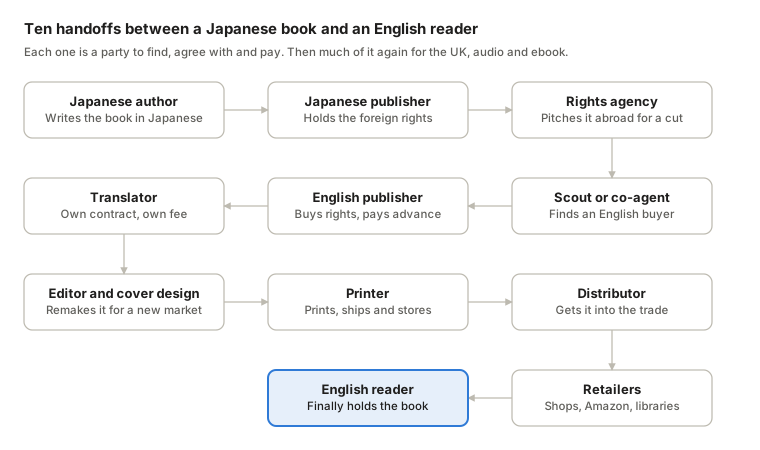
Most of these parties handle only one step, and no one is responsible for the whole journey. Rights are also often split by territory and format, so the US, the UK, audio and ebook can each need their own deals.
Because the process is slow and costly, many books that do well in their home country are never published in other languages.
What Frekk does
Frekk is set up to be a standard route for books, in the same way the stamp became a standard route for letters.
A rights holder signs one agreement with us. We then handle translation, editing, cover, print, ebook, audiobook and distribution in the markets we work in. We cover all costs up front. Once those costs are earned back, the profit is split 50/50 with the rights holder.
We do this so that stories can reach the readers they’re meant for. Today, every step in the chain adds friction, and any one of them can stop a book from travelling. That’s why we’ve chosen to own every step ourselves.